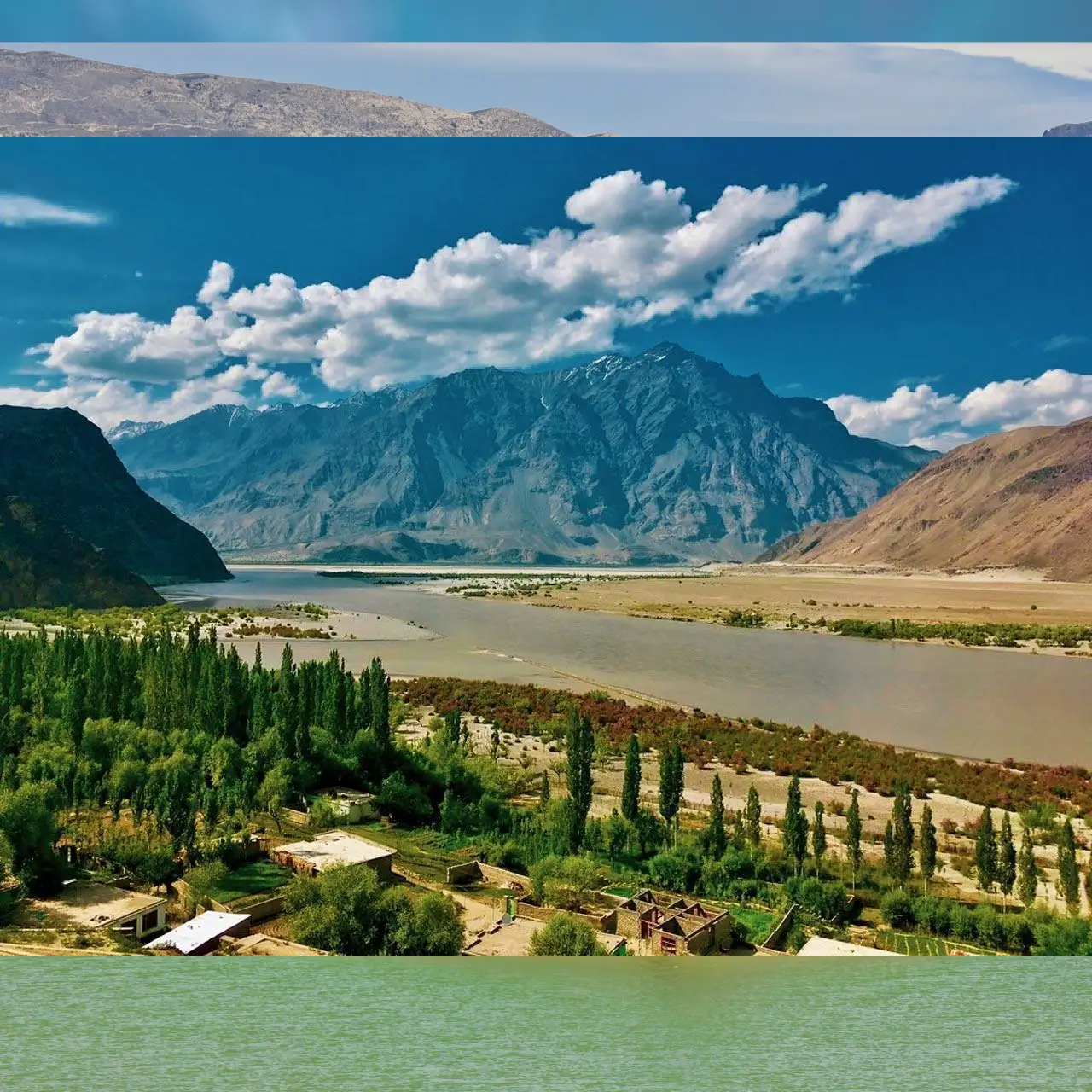
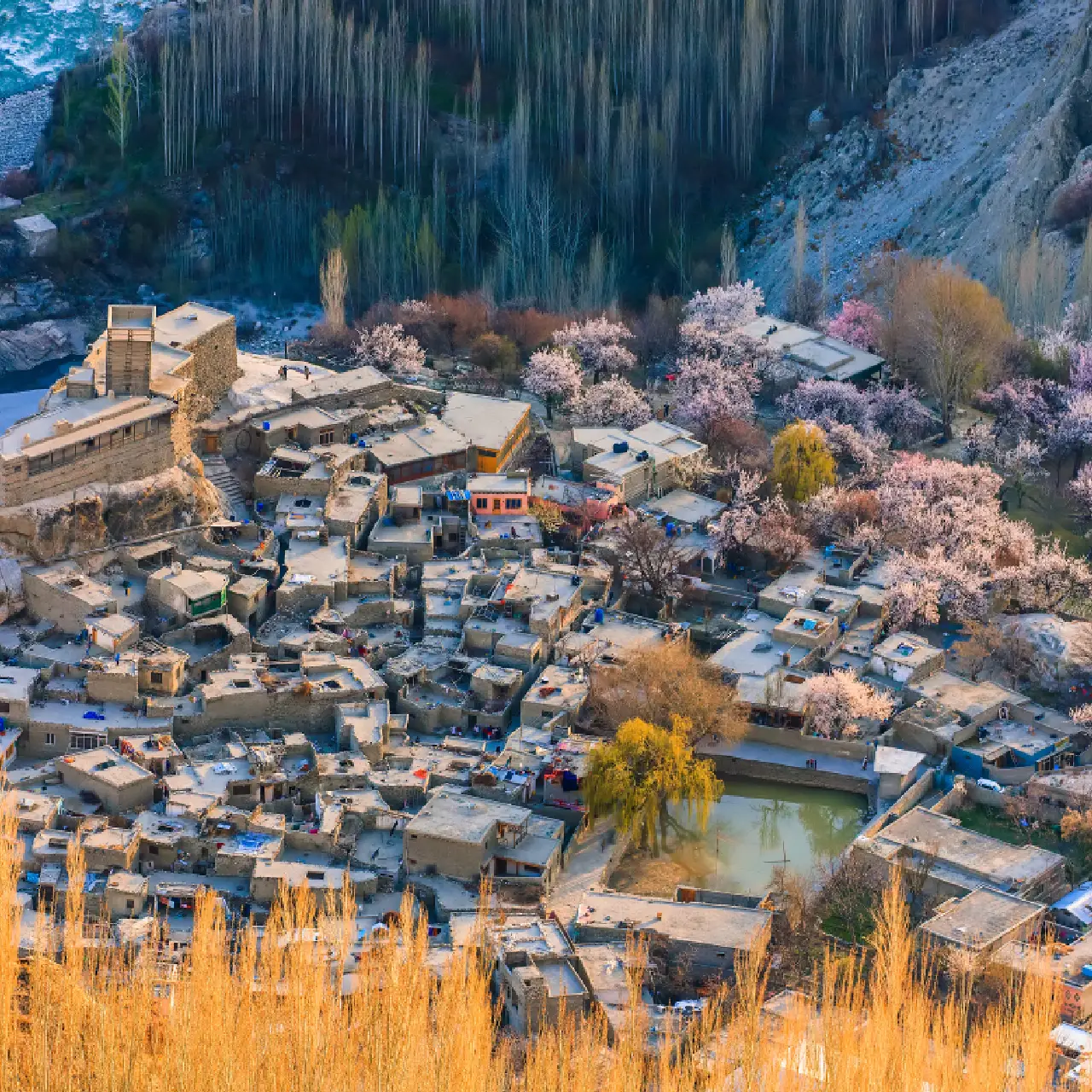
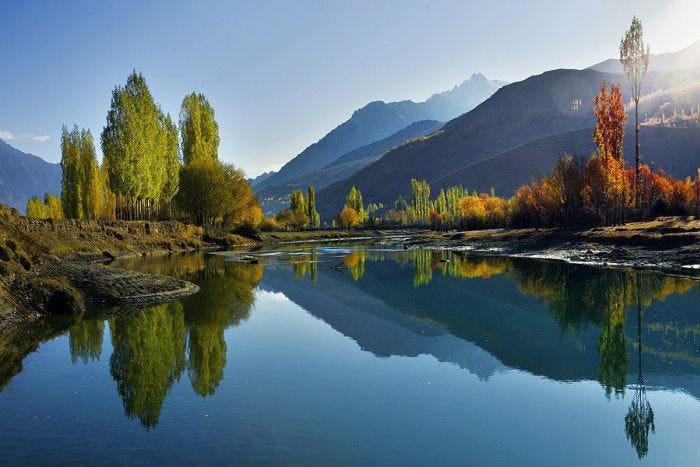
Skardu, the capital of Baltistan, sits at an elevation of 2438 meters amid the majestic peaks of the Karakoram mountain range. Connected to Islamabad by a daily PIA flight, the journey offers breathtaking views over the gorge of the Indus River. Often referred to as “Tibet-e-Khurd” or Little Tibet, Baltistan shares borders with China’s Sinkiang province and Indian-administered Kashmir. The tourist season spans from April to October, with temperatures ranging from 8°C to 27°C. Renowned for its mountain peaks and glaciers, Baltistan’s valleys—Shigar, Skardu, Khaplu, Rondu, and Kharmang—boast delectable peaches, apricots, apples, and pears. Notable attractions include the historic Kharpocho Fort in Skardu, lakes like Kachura and Sadpara, and the last surviving rock with Buddhist carvings on Sadpara Road.

How to Get There:
Where to Stay: Apart from various reasonably priced hotels, the PTDC K-2 Motel in Skardu provides comfortable accommodation. Government rest houses are available in Skardu, Sadpara Lake, Shigar Valley, Khaplu, and Kachura Lake.
What to Buy: Baltistan is known for its “Pattu,” handwoven woolen cloth used for jackets and coats. Skardu’s bazaar offers colorful, intricately embroidered “chugas” (Baltistani gowns) and wooden spoons.
Gilgit, the administrative heart of Gilgit-Baltistan, lies at an elevation of 1,500 meters along the banks of the Gilgit River. Once a major stop on the ancient Silk Route, the valley still serves as a gateway to some of the world’s highest peaks. Gilgit welcomes travelers with its vibrant bazaars, polo grounds, and unique blend of cultures. Apricots, walnuts, and traditional woolen handicrafts are among its specialties. Key attractions include the centuries-old Kargah Buddha carved into a cliff, the bustling Gilgit Polo Ground, and the nearby valleys of Bagrot and Naltar, known for their alpine scenery and ski slopes.
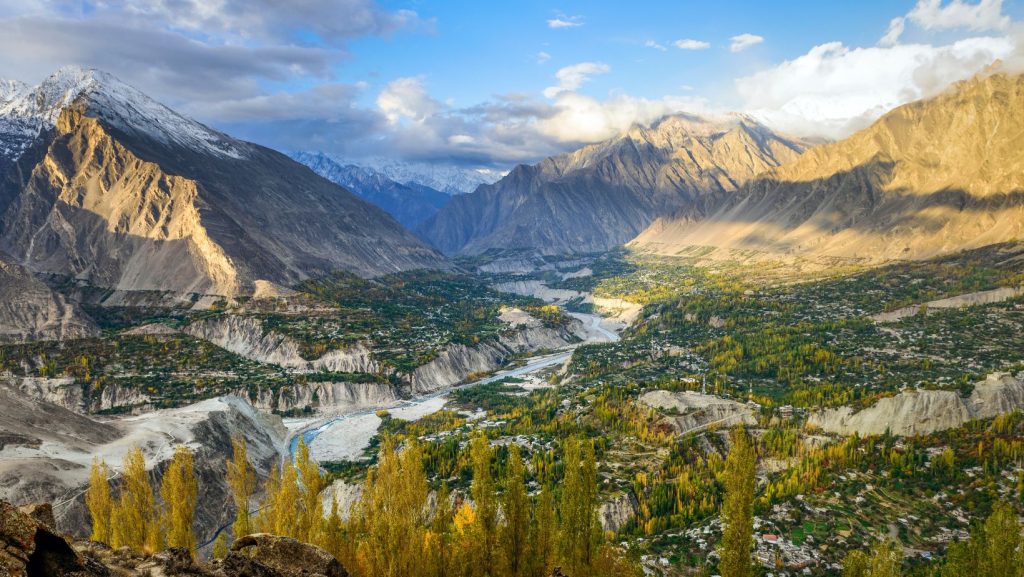
Hunza, often called the “Shangri-La of the Karakoram,” sits at 2,500 meters and is world-famous for its awe-inspiring beauty and the longevity of its people. Enclosed by towering peaks such as Rakaposhi and Ultar Sar, the valley offers panoramic views from the iconic Baltit and Altit forts. Its terraced fields produce cherries, apricots, and mulberries that thrive in the crisp mountain air. Karimabad, the cultural hub, charms visitors with traditional stone houses, wooden balconies, and vibrant handicrafts. Popular attractions include the Eagle’s Nest viewpoint, Passu Cones, and the turquoise waters of Attabad Lake. Hunza is also renowned for its warm hospitality and deep-rooted traditions.
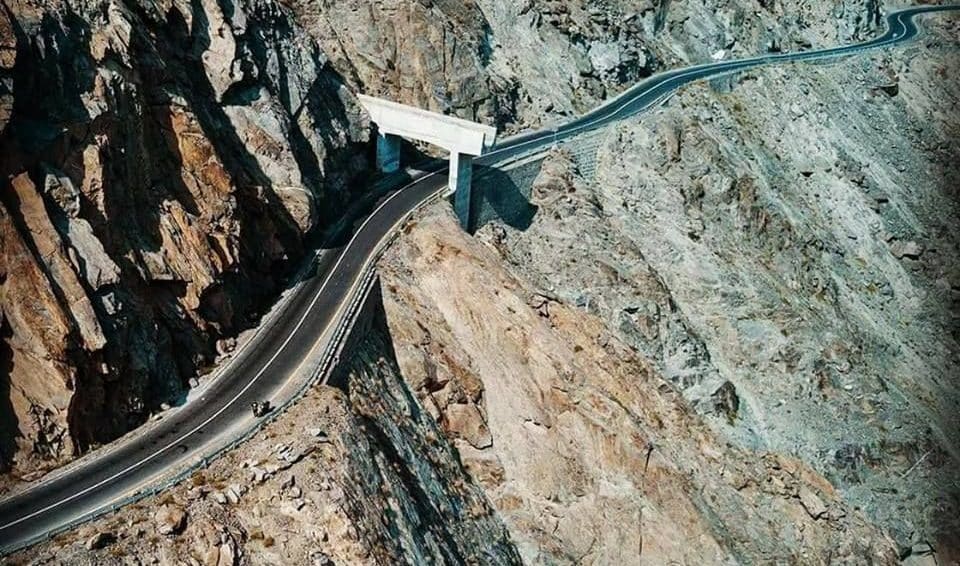
The Karakoram Highway links Pakistan with China across the Khunjerab Pass at 4,693 meters. Stretching over 1,300 kilometers, the KKH follows the ancient Silk Route, skirting the mighty Indus River and threading through dramatic gorges and towering peaks. Built jointly by Pakistan and China in the 1960s and 70s, it is the highest paved international road in the world. Travelers along the KKH witness breathtaking scenery—Passu Cones, Rakaposhi, Nanga Parbat, and the confluence of the Indus and Gilgit rivers. Beyond its natural grandeur, the highway is a living museum of cultures, connecting remote valleys, vibrant bazaars, and centuries-old traditions.
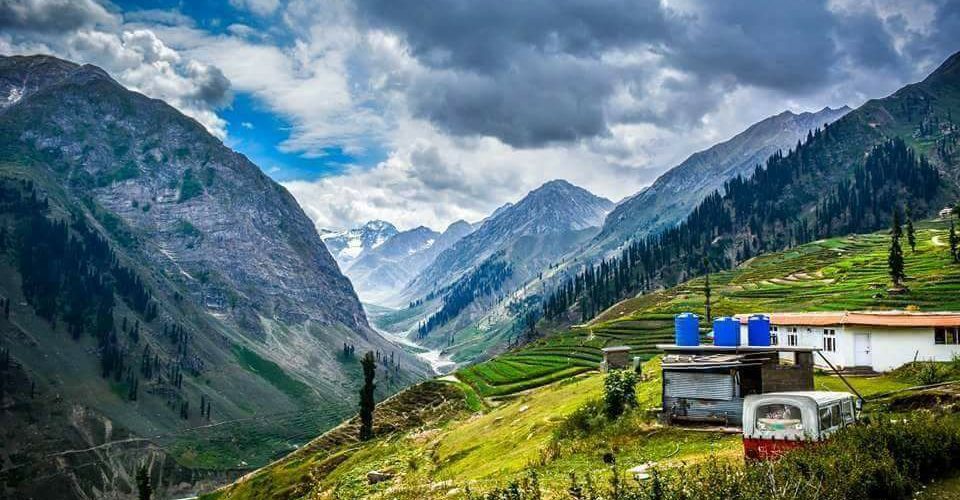
Kaghan Valley stretches for 160 kilometers along the Kunhar River. At elevations ranging from 2,000 to 4,000 meters, it is a haven of alpine meadows, pine forests, waterfalls, and snow-capped peaks. The valley’s most celebrated gem is Lake Saif-ul-Malook. Other highlights include Lulusar Lake, Babusar Pass, and the meadows of Shogran and Siri Paye. From May to September, the valley comes alive with travelers seeking its cool climate, pristine landscapes, and opportunities for trekking, trout fishing, and jeep safaris.
Thank you for considering VISTA Tourism Management Services for your travel needs. Feel free to get in touch with us using the information below or by filling out the contact form. We look forward to assisting you in planning your next adventure